8171 Pass Portal & New Payment Verification
Check your BISP 8171 pass portal status, master new payment verification steps, solve thumbprint errors, and securely collect your cash relief safely. If you have been waiting in endless lines or refreshing your phone screen wondering when your financial relief support will finally arrive, you are definitely not alone. Every single month, millions of families rely on assistance programs through the Benazir Income Support Programme (BISP) to cover basic household expenses, and the introduction of the new 8171 pass portal and payment verification system changes how you check and collect your funds.
Also read: How to Check 8171 CNIC Status via New Web Portal Update
Understanding the BISP 8171 Pass Portal Ecosystem
The 8171 pass portal serves as the digital backbone for verifying eligibility and tracking stipend disbursements across the country. Over the past few years, the government has transitioned from manual slips and cumbersome paperwork to a centralized database that communicates instantly with mobile network operators and biometric verification machines.
What is the 8171 Pass Portal and How Does It Work?
At its core, the portal is a secure government gateway designed to cross-reference your Computerized National Identity Card (CNIC) number against active socio-economic registries. When you submit your details online or via SMS, the system runs an automated check through the National Socio-Economic Registry (NSER) survey database. If your poverty score falls within the designated threshold, your status updates in real-time, clearing the path for cash disbursements.
Why the New Payment Verification System Was Introduced
In the past, beneficiaries faced severe hurdles, including fraudulent deductions by corrupt intermediaries, long physical queues, and blocked accounts due to mismatched biometric data. The new verification mechanism introduces multi-factor security checks—requiring both NADRA-verified thumb impressions and SMS confirmation codes—to ensure that every rupee reaches the rightful recipient without illegal deductions.
Key Benefits of Transitioning to Digital Verification
- Elimination of Middlemen: Direct communication prevents unauthorized agents from skimming portions of your cash stipend.
- Instant Status Updates: You no longer need to visit district offices just to find out if your quarterly payment has been released.
- Transparency: Every transaction leaves a digital footprint, drastically reducing administrative errors and clerical fraud.
Step-by-Step Guide to Using the 8171 Web Portal
Navigating digital portals can sometimes feel intimidating, especially if you are doing it for the first time on a smartphone. Fortunately, the interface has been streamlined for maximum accessibility.
How to Check Your Eligibility Online in Minutes
- Open your web browser on a smartphone or computer and navigate to the official 8171.bisp.gov.pk portal.
- Locate the designated search box prompting you for your 13-digit CNIC number.
- Enter your CNIC carefully without any dashes or spaces.
- Input the security verification code (captcha) shown on the screen to prove you are not a robot.
- Click the submit button to view your instant eligibility status and payment breakdown.
Understanding Your Portal Status Messages
When you check your CNIC, the system will return one of several specific status responses. Knowing what these mean saves you from unnecessary panic or repeated inquiries:
- Eligible: Your household qualifies, and funds are either ready or scheduled for release.
- Under Verification: Your data is currently being re-evaluated against updated NSER survey parameters.
- Ineligible: Your score exceeds the current cutoff threshold, or requires an updated survey desk registration.
Troubleshooting Common Portal Errors and Solutions
Sometimes the portal may fail to load or display error messages due to heavy traffic. If you encounter a timeout or blank screen, try clearing your browser cache or accessing the site during off-peak hours early in the morning. If your CNIC number shows an error, double-check that you typed all 13 digits correctly without any accidental spaces.
Alternative Verification Methods: SMS and Mobile Codes
Not everyone has reliable internet access or a smartphone handy, which is why the SMS service remains the most widely used verification channel across urban and rural communities alike.
How to Use the 8171 SMS Service Effectively
Sending a text message is straightforward and completely free of cost on most local networks.
- Open the messaging app on your mobile phone.
- Type your 13-digit CNIC number into a new message body.
- Send this message directly to the shortcode 8171.
- Wait a few moments for an automated reply containing your current payment status and collection details.
What to Do If Your SMS Inquiry Fails to Reply
If you do not receive a response within ten to fifteen minutes, check your mobile balance or signal strength. Sometimes network congestion delays incoming messages. If the problem persists, restart your device or send the message from a different mobile network operator SIM card registered under your own name.
Ensuring Your SIM Card Is Registered to Your CNIC
System security protocols strictly require that the mobile number you use for verification or receive alerts on must be officially registered against your own biometric CNIC credentials. Using a SIM card issued under someone else’s name can trigger security blocks and prevent you from receiving vital payment notifications.
Biometric Verification and Cash Collection Protocols
Once the portal or SMS confirms that your payment has been disbursed, the next step involves securely collecting your cash from designated retail agents or specialized campsites.
Preparing for Biometric Verification at Designated Centers
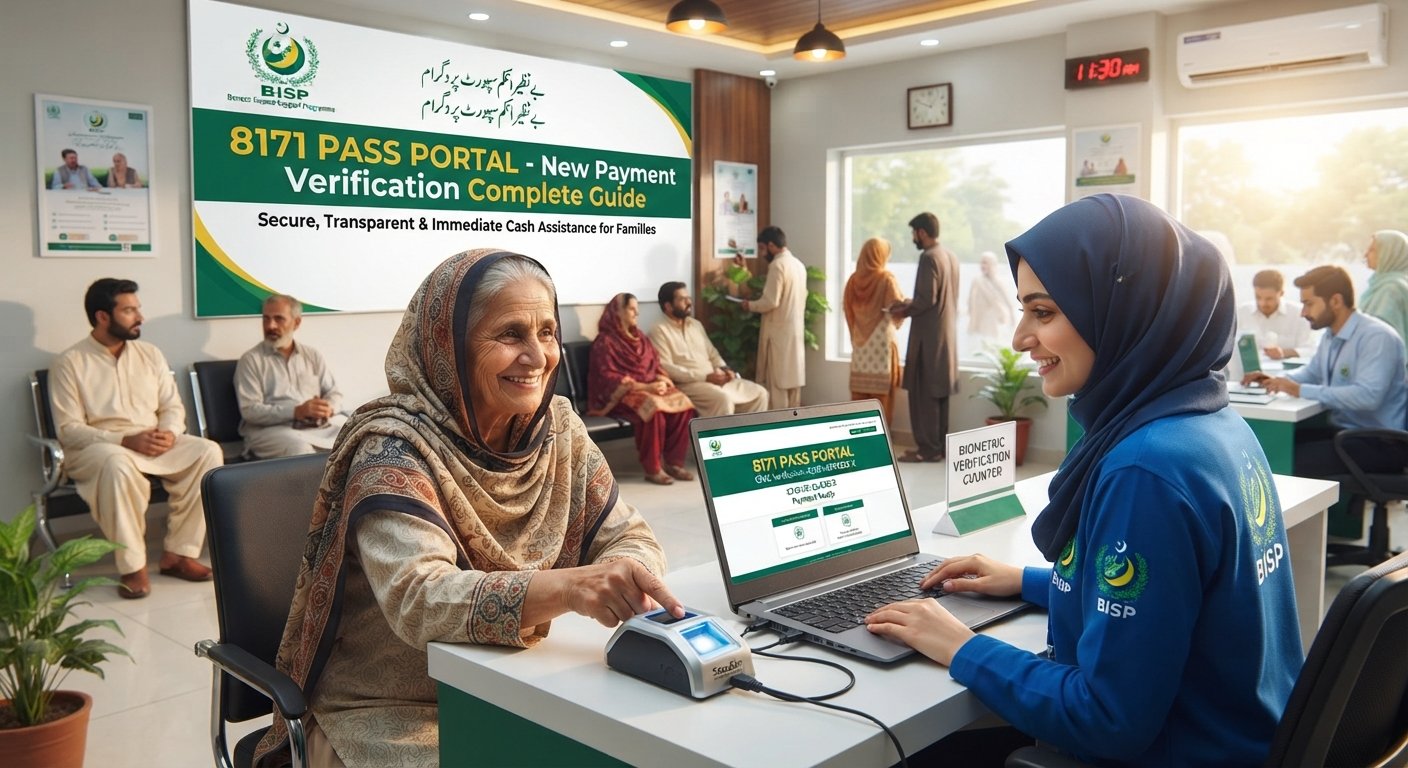
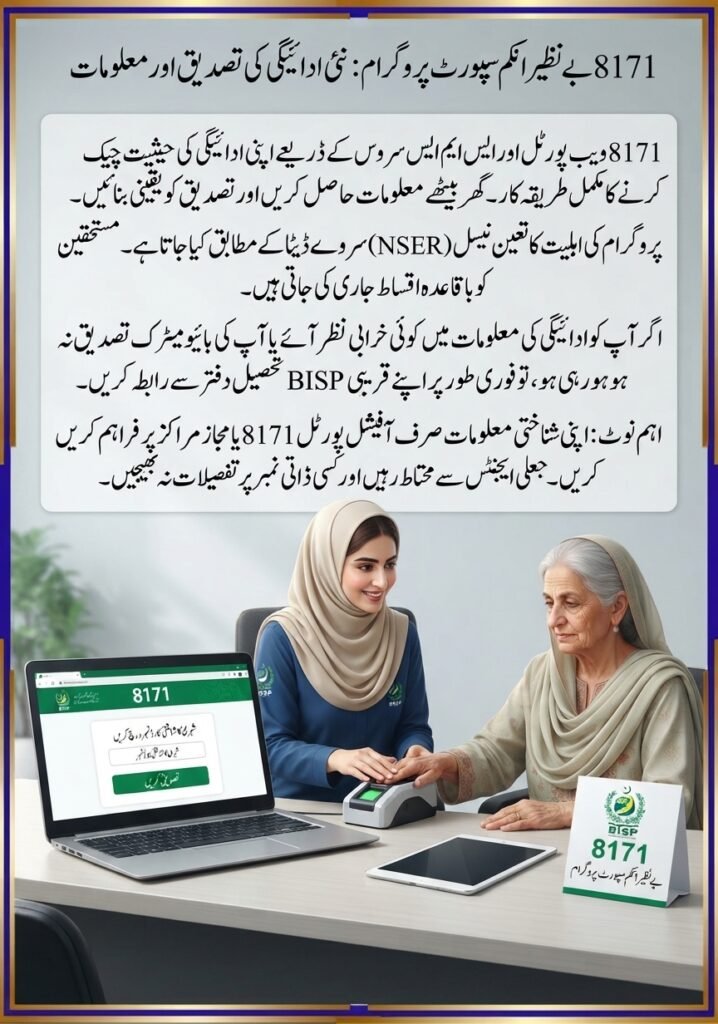
Thumbprint recognition failure is one of the most frustrating bottlenecks beneficiaries encounter. Over time, physical labor, skin dryness, or worn fingerprints can make scanner reading difficult. To prevent this, wash your hands thoroughly with soap, keep your fingers moisturized, and gently press your thumb flat against the center of the biometric scanner plate.
Identifying Authorized Retailers and Campsite Locations
BISP collaborates with authorized franchise partners and established commercial banks to distribute funds. Always collect your stipend from official franchise retailers or designated biometric campsites. Never hand your CNIC over to unverified agents lurking outside payment centers, and always insist on receiving a printed transaction receipt showing your exact withdrawal amount.
What to Do If Your Biometric Thumbprint Fails Repeatedly
If the scanner fails to verify your thumb impression after multiple attempts, do not panic. Authorized representatives can submit a formal exception request through NADRA’s verification system, or guide you to a district office where alternative identification protocols can be safely processed.
Resolving Payment Delays and Common Grievances
Delays in stipend disbursements can cause significant financial stress for households budgeting for daily essentials. Understanding why delays happen helps you take the right corrective action.
Common Reasons Behind Delayed Payments
- Nadir Database Updates: Periodic syncing between government registries can temporarily pause disbursement cycles.
- CNIC Expiry: If your identity card has expired, payments automatically freeze until you renew your credentials with NADRA.
- Incorrect Socio-Economic Survey Data: Changes in household composition or income brackets require a resurvey at local tehsil offices.
How to File a Complaint Through the BISP Tehsil Offices
If your payment is stuck for months without a clear reason, visiting your nearest BISP Tehsil Office is often the fastest route to a resolution. Bring your original CNIC, a registered mobile phone, and any previous transaction slips. Trained representatives at the grievance redressal desk can log your complaint into the management information system and provide a tracking token.
Protecting Yourself from Fraudulent SMS Scams and Fake Portals
Scammers frequently exploit relief programs by sending fake winning notifications or bogus portal links from private numbers. Remember that official government alerts will only ever arrive from the official shortcode 8171. Never share your personal bank details, PIN numbers, or CNIC photos with anyone claiming to expedite your BISP payments over phone calls or social media apps.
Frequently Asked Questions
1. How can I check my BISP payment status online?
You can check your status by visiting the official 8171 web portal, entering your 13-digit CNIC number and the security captcha code, and clicking submit to view real-time eligibility details.
2. Is there any fee charged for sending an SMS to 8171?
No, sending an SMS inquiry to the official shortcode 8171 is entirely free of cost across all major telecommunication networks in the country.
3. What should I do if my thumbprint does not match during cash collection?
Ensure your fingers are clean and dry, press your thumb flat on the scanner, and if failure persists, ask the authorized agent to route your case through NADRA’s alternative verification exception process.
4. Why does the portal show “Under Verification” for my CNIC?
This status indicates that your data is currently being reviewed and cross-referenced against updated National Socio-Economic Registry (NSER) files. No further action is usually required from you until the review concludes.
5. Can I collect my payment using someone else’s CNIC?
No, stipend collections require strict biometric verification matching the recipient’s personal identity card. Proxy collections are illegal and will be rejected by the system.
6. What is the official helpline number for BISP complaints?
You can contact the central toll-free helpline or visit your local BISP Tehsil Office established in your district for direct grievance resolution and support.